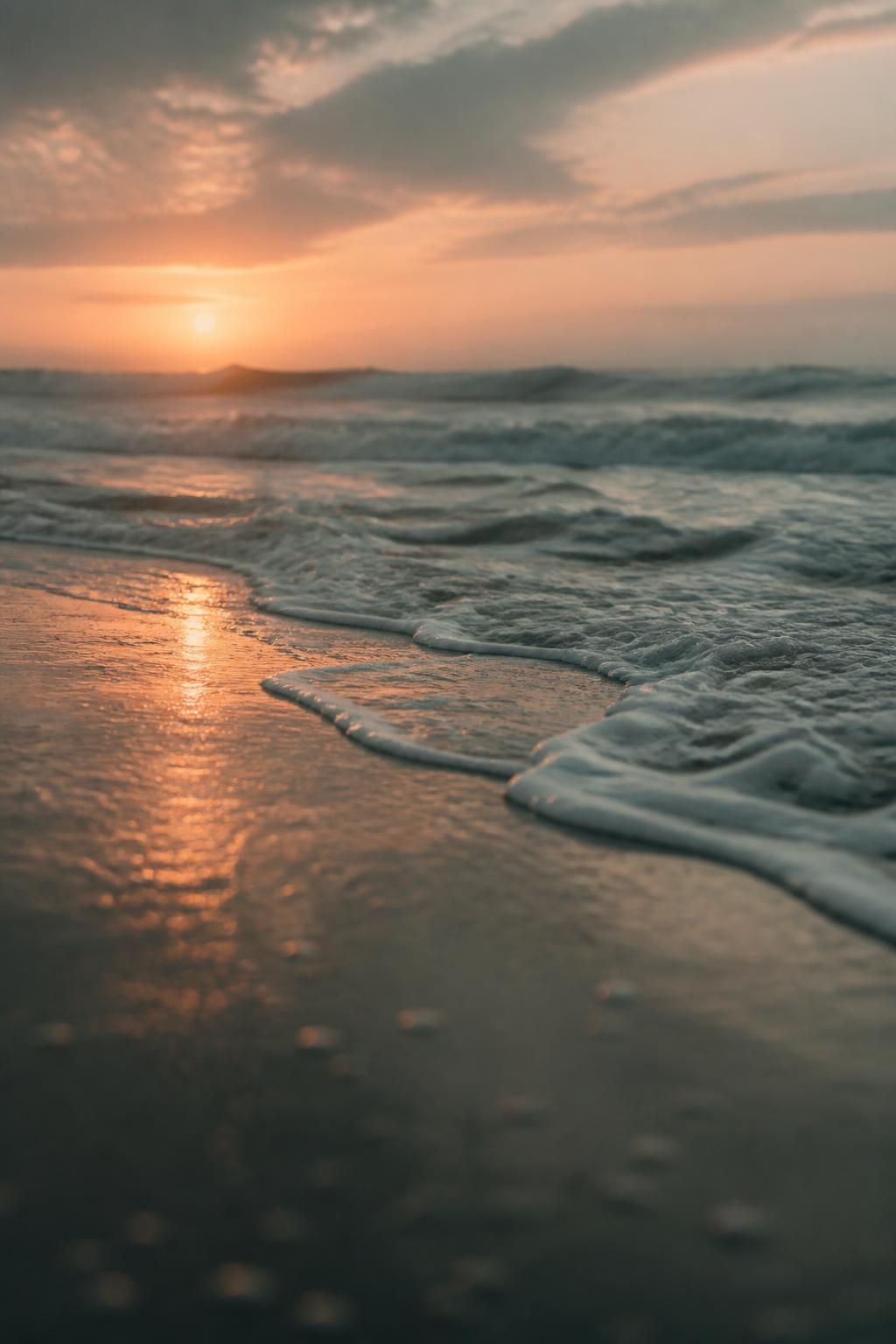

Why the Sea Belongs in Love Letters
People have written to each other across water for as long as they have gone away. The sea gives longing a vocabulary.
22 August 2026 · 5 min read
The oldest metaphor for missing someone
Sailors' letters, lighthouse keepers' diaries, notes carried in ships' mailbags: the sea has always been where love and absence meet. It provides the two things longing needs — an enormous distance, and the promise of return.
That is why sea imagery still works. A tide always comes back. A shore always waits. The metaphor does the emotional work before you have written a single confession.
Use it concretely, not decoratively
"My love for you is like the endless ocean" is decoration; it means nothing and could be addressed to anyone. "I walked the harbour wall until the light went, and thought about telling you the truth" is concrete, and it is about one evening in one life.
Rule of thumb: the sea should be a place something happened, not an adjective for your feelings.
Three images worth stealing
The tide line — everything the water left behind, which is what a relationship is: shells, glass, rope, the accumulated evidence of years.
The lighthouse — not romance, but reliability. Someone keeping a light on for a person they cannot see.
Salt — what stays after the water goes. Useful for writing about grief, distance, and the parts of a person that never wash out of you.
Write it near water if you can
There is a practical reason the sea shows up in letters: it is a place where people are unhurried and slightly humbled. Sit somewhere the horizon is wide, and the sentences come out plainer. If you cannot get to a coast, sound helps — waves in the background genuinely slow down how fast you type, and slower typing produces more honest writing.
Write one yourself
Letters From The Sea is a quiet place to type a letter on an old typewriter by the shore and send it to one person through a private link that washes away after 24 hours.